Meaning
to engage, trigger, graft
- to engage or shift into a gear in a vehicle or mechanical system
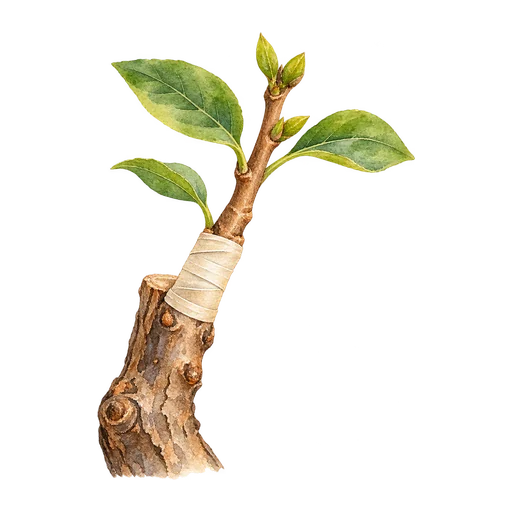
- to graft a plant shoot onto a rootstock
- to initiate, trigger, or implant a process or mechanism
In a sentence
L'autista rallentò per innestare la prima marcia.
The driver slowed down to engage first gear.
La decisione economica ha innestato una reazione a catena nei mercati.
The economic decision triggered a chain reaction in the markets.
Non possiamo innestare nuove procedure senza prima formare il personale.
We cannot introduce new procedures without first training the staff.
Word forms (48)
| Word | Word forms |
|---|---|
| innestare | infinitive |
| innesto | indicative · present · singular · 1st person |
| innesti | indicative · present · singular · 2nd person |
| innesta | indicative · present · singular · 3rd person |
| innestiamo | indicative · present · plural · 1st person |
| innestate | indicative · present · plural · 2nd person |
| innestano | indicative · present · plural · 3rd person |
| innestavo | indicative · imperfect · singular · 1st person |
| innestavi | indicative · imperfect · singular · 2nd person |
| innestava | indicative · imperfect · singular · 3rd person |
| innestavamo | indicative · imperfect · plural · 1st person |
| innestavate | indicative · imperfect · plural · 2nd person |
| innestavano | indicative · imperfect · plural · 3rd person |
| innestai | indicative · past · singular · 1st person |
| innestasti | indicative · past · singular · 2nd person |
| innestò | indicative · past · singular · 3rd person |
| innestammo | indicative · past · plural · 1st person |
| innestaste | indicative · past · plural · 2nd person |
| innestarono | indicative · past · plural · 3rd person |
| innesterò | indicative · future · singular · 1st person |
| innesterai | indicative · future · singular · 2nd person |
| innesterà | indicative · future · singular · 3rd person |
| innesteremo | indicative · future · plural · 1st person |
| innesterete | indicative · future · plural · 2nd person |
| innesteranno | indicative · future · plural · 3rd person |
| innesti | subjunctive · present · singular · 1st person |
| innesti | subjunctive · present · singular · 2nd person |
| innesti | subjunctive · present · singular · 3rd person |
| innestiamo | subjunctive · present · plural · 1st person |
| innestiate | subjunctive · present · plural · 2nd person |
| innestino | subjunctive · present · plural · 3rd person |
| innestassi | subjunctive · imperfect · singular · 1st person |
| innestassi | subjunctive · imperfect · singular · 2nd person |
| innestasse | subjunctive · imperfect · singular · 3rd person |
| innestassimo | subjunctive · imperfect · plural · 1st person |
| innestaste | subjunctive · imperfect · plural · 2nd person |
| innestassero | subjunctive · imperfect · plural · 3rd person |
| innesterei | conditional · present · singular · 1st person |
| innesteresti | conditional · present · singular · 2nd person |
| innesterebbe | conditional · present · singular · 3rd person |
| innesteremmo | conditional · present · plural · 1st person |
| innestereste | conditional · present · plural · 2nd person |
| innesterebbero | conditional · present · plural · 3rd person |
| innesta | imperative · singular · 2nd person |
| innestiamo | imperative · plural · 1st person |
| innestate | imperative · plural · 2nd person |
| innestando | gerund |
| innestato | past · participle |
Usage notes
- Takes 'avere' in compound tenses.
- Often used figuratively to mean triggering an institutional or economic process.