Los significados, las traducciones y las notas están disponibles en inglés por ahora.
Significado · adverb
badly, wrongly
En una frase
Oggi mi sento male, resto a casa.
I feel sick today, I'm staying home.
Hai scritto male il mio nome?
Did you write my name wrong?
Non parlare male di tuo fratello.
Don't speak badly about your brother.
Notas de uso
- Use 'male' for actions done poorly, not for moral wrongness (use 'sbagliato' or 'ingiusto' instead).
- Avoid overusing 'male' for physical pain; 'dolore' or 'fa male' are more natural.
- No agreement with subject; always 'male' regardless of gender/number (e.g., 'Lei sta male').
Significado · noun
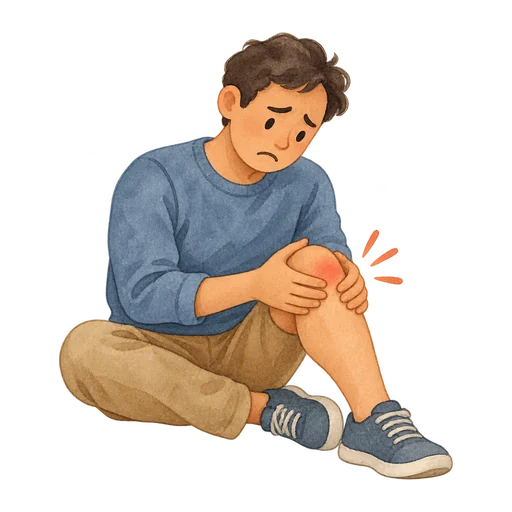
pain; harm
En una frase
Ho un forte male alla testa.
I have a bad headache.
Che male ti ha fatto quel ragazzo?
What harm did that boy do to you?
Per fortuna, il male è già passato.
Luckily, the illness has already passed.
Formas de la palabra (2)
| Palabra | Formas de la palabra |
|---|
| male | masculine · singular |
| mali | masculine · plural |
Notas de uso
- Use 'male' for general harm or evil; 'dolore' for physical pain, 'malattia' for illness.
- Common mistake: 'male' is masculine, so say 'il male' not 'la male'.
- In Southern Italy, 'male' can mean 'badly' (adverb), e.g., 'sto male' (I feel bad).
Explorar lecciones de vocabulario →