Los significados, las traducciones y las notas están disponibles en inglés por ahora.
Significado · adverb
little, not much
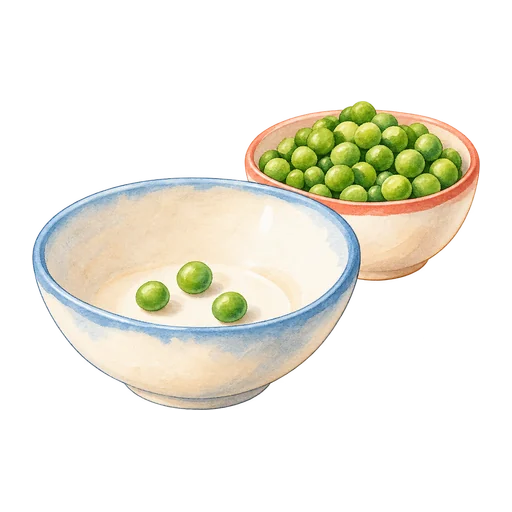
En una frase
Oggi ho dormito poco e sono stanco.
Today I slept little and I'm tired.
Ho studiato poco oggi.
I studied little today.
Aspetta un poco, arrivo subito.
Wait a little, I'm coming right away.
Notas de uso
- Use 'poco' for uncountable quantities (e.g., 'poco zucchero'). For countable, use 'pochi/e' (e.g., 'pochi libri').
- 'Poco' often follows the verb (e.g., 'mangio poco'). Before nouns, it means 'little' (e.g., 'poco tempo').
- Avoid 'un poco' in formal writing; 'un po'' (with apostrophe) is informal but common in speech.
Palabras relacionadas
scarsamente
Significado · noun
small amount
En una frase
Ho ancora un poco di latte in frigo.
I still have a little milk in the fridge.
Hai un poco di tempo per me?
Do you have a little time for me?
Oggi c'è poco sole, resto a casa.
There's little sun today, I'm staying home.
Formas de la palabra (1)
| Palabra | Formas de la palabra |
|---|
| poco | masculine · singular |
Notas de uso
- As a noun, poco is uncommon alone; you'll more often see un poco or a little in fixed expressions.
- Don't confuse noun poco with the adjective/adverb poco, which changes meaning by position and context.
- With nouns, use poco/poca/pochi/poche as an adjective; the standalone noun use is much more limited.
Explorar lecciones de vocabulario →