Significado
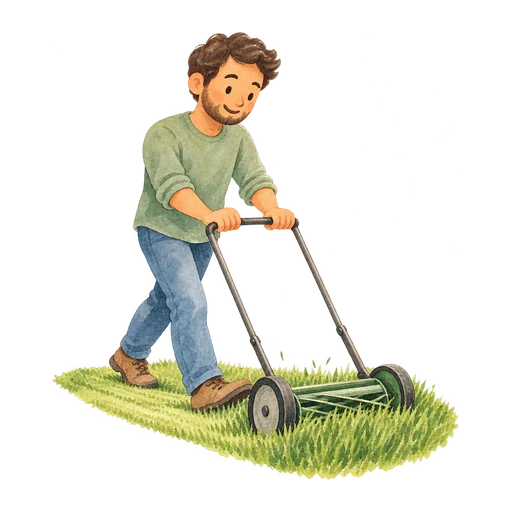
to mow, mow down
- To cut grass or grain with a scythe or mower.
- To mow down, cut down, or kill in large numbers (figurative).
Em uma frase
Mio nonno si alza presto per falciare il fieno nel campo.
My grandfather gets up early to mow the hay in the field.
L'epidemia falciò migliaia di vittime in tutta la regione.
The epidemic mowed down thousands of victims across the entire region.
Se non falciamo l'erba oggi, crescerà troppo alta.
If we don't mow the grass today, it will grow too tall.
Formas da palavra (48)
| Palavra | Formas da palavra |
|---|---|
| falciare | infinitive |
| falcio | indicative · present · singular · 1st person |
| falci | indicative · present · singular · 2nd person |
| falcia | indicative · present · singular · 3rd person |
| falciamo | indicative · present · plural · 1st person |
| falciate | indicative · present · plural · 2nd person |
| falciano | indicative · present · plural · 3rd person |
| falciavo | indicative · imperfect · singular · 1st person |
| falciavi | indicative · imperfect · singular · 2nd person |
| falciava | indicative · imperfect · singular · 3rd person |
| falciavamo | indicative · imperfect · plural · 1st person |
| falciavate | indicative · imperfect · plural · 2nd person |
| falciavano | indicative · imperfect · plural · 3rd person |
| falciai | indicative · past · singular · 1st person |
| falciasti | indicative · past · singular · 2nd person |
| falciò | indicative · past · singular · 3rd person |
| falciammo | indicative · past · plural · 1st person |
| falciaste | indicative · past · plural · 2nd person |
| falciarono | indicative · past · plural · 3rd person |
| falcerò | indicative · future · singular · 1st person |
| falcerai | indicative · future · singular · 2nd person |
| falcerà | indicative · future · singular · 3rd person |
| falceremo | indicative · future · plural · 1st person |
| falcerete | indicative · future · plural · 2nd person |
| falceranno | indicative · future · plural · 3rd person |
| falci | subjunctive · present · singular · 1st person |
| falci | subjunctive · present · singular · 2nd person |
| falci | subjunctive · present · singular · 3rd person |
| falciamo | subjunctive · present · plural · 1st person |
| falciate | subjunctive · present · plural · 2nd person |
| falcino | subjunctive · present · plural · 3rd person |
| falciassi | subjunctive · imperfect · singular · 1st person |
| falciassi | subjunctive · imperfect · singular · 2nd person |
| falciasse | subjunctive · imperfect · singular · 3rd person |
| falciassimo | subjunctive · imperfect · plural · 1st person |
| falciaste | subjunctive · imperfect · plural · 2nd person |
| falciassero | subjunctive · imperfect · plural · 3rd person |
| falcerei | conditional · present · singular · 1st person |
| falceresti | conditional · present · singular · 2nd person |
| falcerebbe | conditional · present · singular · 3rd person |
| falceremmo | conditional · present · plural · 1st person |
| falcereste | conditional · present · plural · 2nd person |
| falcerebbero | conditional · present · plural · 3rd person |
| falcia | imperative · singular · 2nd person |
| falciamo | imperative · plural · 1st person |
| falciate | imperative · plural · 2nd person |
| falciando | gerund |
| falciato | past · participle |
Notas de uso
- Takes 'avere' in compound tenses. The figurative meaning often describes diseases, wars, or vehicles hitting pedestrians.