heypolyglot
Italian

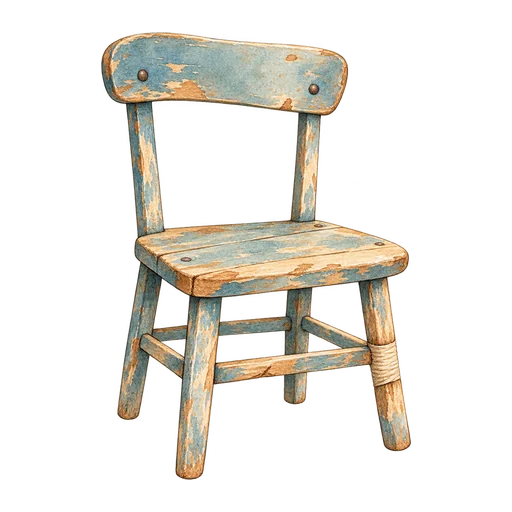
vecchio

/ˈvɛk.kjo/adjective / noun · masculineA1 / B1
Most common · Top 500

Meaning · adjective

old

  • old, outworn
  • old-fashioned, out-of-date
  • mature, ripe

In a sentence

Questo telefono è vecchio ma funziona ancora bene.

This phone is old, but it still works well.

Perché usi ancora quel vecchio computer?

Why do you still use that old computer?

Abbiamo mangiato pane vecchio con la zuppa.

We ate stale bread with the soup.

Word forms (4)
WordWord forms
vecchiomasculine · singular
vecchiafeminine · singular
vecchimasculine · plural
vecchiefeminine · plural

Usage notes

  • Use 'vecchio' for age, not duration. For 'I’ve known him for a long time,' say 'lo conosco da molto tempo,' not 'è vecchio.'
  • Avoid 'vecchio' for people unless context is clear—it can sound rude. 'Anziano' is safer for 'elderly.'
  • Agrees in gender/number: 'vecchio,' 'vecchia,' 'vecchi,' 'vecchie.'
Related words

Opposites

Meaning · noun

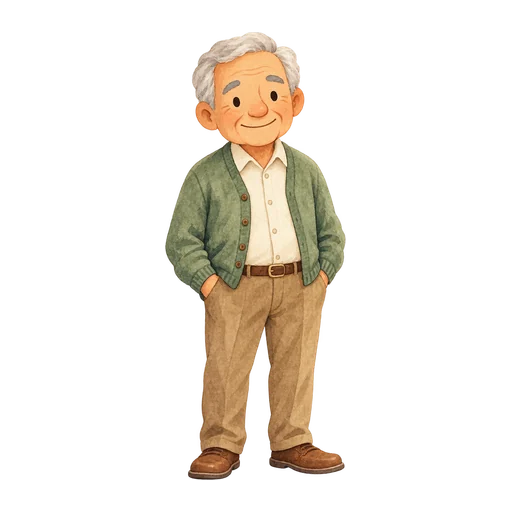
old man

  • an old man

In a sentence

Quel vecchio aspetta l'autobus ogni mattina qui.

That old man waits for the bus here every morning.

Hai visto il vecchio al bar ieri?

Did you see the old man at the bar yesterday?

Il vecchio non vuole uscire stasera con noi.

The old man doesn't want to go out with us tonight.

Word forms (2)
WordWord forms
vecchiomasculine · singular
vecchimasculine · plural

Usage notes

  • As a noun, vecchio usually means an old man; for a neutral term, use anziano.
  • Before a noun, vecchio often means former or longtime, not old: il mio vecchio professore can mean my former professor.
  • Used alone for a person, vecchio can sound blunt or rude; vecchietto is softer, though sometimes patronizing.

Related words

Opposites

Explore vocabulary lessons →