Significado
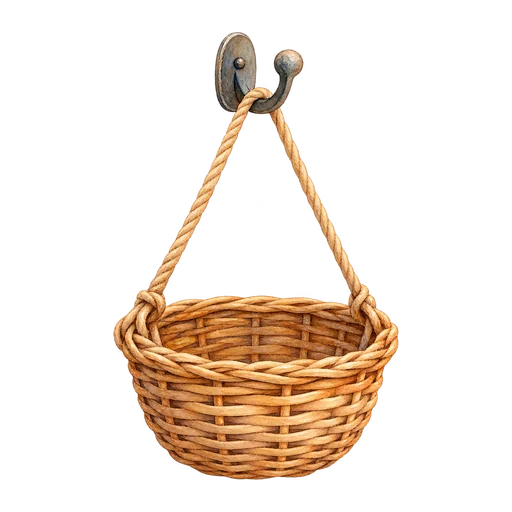
to hang, to lean
- to hang, to dangle
- to lean, to incline
- to be pending
En una frase
I fiori pendono dal balcone tutto il giorno.
The flowers hang from the balcony all day.
Perché quella lampada pende da un lato?
Why is that lamp hanging to one side?
La famosa torre continua a pendere verso sud.
The famous tower continues to lean toward the south.
Formas de la palabra (48)
| Palabra | Formas de la palabra |
|---|---|
| pendere | infinitive |
| pendiamo | indicative · present · plural · 1st person |
| pendo | indicative · present · singular · 1st person |
| pendete | indicative · present · plural · 2nd person |
| pendi | indicative · present · singular · 2nd person |
| pendono | indicative · present · plural · 3rd person |
| pende | indicative · present · singular · 3rd person |
| pendevamo | indicative · imperfect · plural · 1st person |
| pendevo | indicative · imperfect · singular · 1st person |
| pendevate | indicative · imperfect · plural · 2nd person |
| pendevi | indicative · imperfect · singular · 2nd person |
| pendevano | indicative · imperfect · plural · 3rd person |
| pendeva | indicative · imperfect · singular · 3rd person |
| pendemmo | indicative · past · plural · 1st person |
| pendetti | indicative · past · singular · 1st person |
| pendeste | indicative · past · plural · 2nd person |
| pendesti | indicative · past · singular · 2nd person |
| pendettero | indicative · past · plural · 3rd person |
| pendette | indicative · past · singular · 3rd person |
| penderemo | indicative · future · plural · 1st person |
| penderò | indicative · future · singular · 1st person |
| penderete | indicative · future · plural · 2nd person |
| penderai | indicative · future · singular · 2nd person |
| penderanno | indicative · future · plural · 3rd person |
| penderà | indicative · future · singular · 3rd person |
| pendiamo | subjunctive · present · plural · 1st person |
| penda | subjunctive · present · singular · 1st person |
| pendiate | subjunctive · present · plural · 2nd person |
| penda | subjunctive · present · singular · 2nd person |
| pendano | subjunctive · present · plural · 3rd person |
| penda | subjunctive · present · singular · 3rd person |
| pendessimo | subjunctive · imperfect · plural · 1st person |
| pendessi | subjunctive · imperfect · singular · 1st person |
| pendeste | subjunctive · imperfect · plural · 2nd person |
| pendessi | subjunctive · imperfect · singular · 2nd person |
| pendessero | subjunctive · imperfect · plural · 3rd person |
| pendesse | subjunctive · imperfect · singular · 3rd person |
| penderemmo | conditional · present · plural · 1st person |
| penderei | conditional · present · singular · 1st person |
| pendereste | conditional · present · plural · 2nd person |
| penderesti | conditional · present · singular · 2nd person |
| penderebbero | conditional · present · plural · 3rd person |
| penderebbe | conditional · present · singular · 3rd person |
| pendiamo | imperative · plural · 1st person |
| pendete | imperative · plural · 2nd person |
| pendi | imperative · singular · 2nd person |
| pendendo | gerund |
| penduto | past · participle |
Notas de uso
- Mostly literary or formal in modern Italian. In everyday speech, speakers often prefer appendere, essere appeso, inclinarsi, or propendere depending on context.
- For physical hanging, pendere often suggests dangling or slanting, not simply being attached. Don't use it automatically for every English 'hang.'
- In figurative opinion contexts, use pendere toward a side or choice; propendere per is usually more common in contemporary usage.