Significado
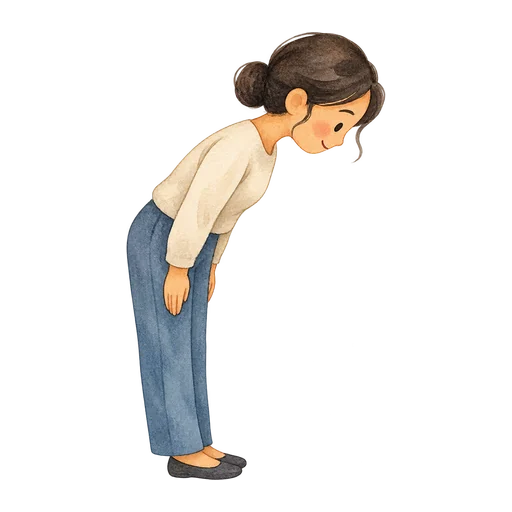
to bend, bow, lower, lean
Em uma frase
Ho chinato la testa e sono uscito.
I lowered my head and went out.
Si è chinato per raccogliere le chiavi cadute a terra.
He bent down to pick up the keys that had fallen on the ground.
Non chinare la schiena così tanto.
Don't bend your back that much.
Formas da palavra (48)
| Palavra | Formas da palavra |
|---|---|
| chinare | infinitive |
| chiniamo | indicative · present · plural · 1st person |
| chino | indicative · present · singular · 1st person |
| chinate | indicative · present · plural · 2nd person |
| chini | indicative · present · singular · 2nd person |
| chinano | indicative · present · plural · 3rd person |
| china | indicative · present · singular · 3rd person |
| chinavamo | indicative · imperfect · plural · 1st person |
| chinavo | indicative · imperfect · singular · 1st person |
| chinavate | indicative · imperfect · plural · 2nd person |
| chinavi | indicative · imperfect · singular · 2nd person |
| chinavano | indicative · imperfect · plural · 3rd person |
| chinava | indicative · imperfect · singular · 3rd person |
| chinammo | indicative · past · plural · 1st person |
| chinai | indicative · past · singular · 1st person |
| chinaste | indicative · past · plural · 2nd person |
| chinasti | indicative · past · singular · 2nd person |
| chinarono | indicative · past · plural · 3rd person |
| chinò | indicative · past · singular · 3rd person |
| chineremo | indicative · future · plural · 1st person |
| chinerò | indicative · future · singular · 1st person |
| chinerete | indicative · future · plural · 2nd person |
| chinerai | indicative · future · singular · 2nd person |
| chineranno | indicative · future · plural · 3rd person |
| chinerà | indicative · future · singular · 3rd person |
| chiniamo | subjunctive · present · plural · 1st person |
| chini | subjunctive · present · singular · 1st person |
| chiniate | subjunctive · present · plural · 2nd person |
| chini | subjunctive · present · singular · 2nd person |
| chinino | subjunctive · present · plural · 3rd person |
| chini | subjunctive · present · singular · 3rd person |
| chinassimo | subjunctive · imperfect · plural · 1st person |
| chinassi | subjunctive · imperfect · singular · 1st person |
| chinaste | subjunctive · imperfect · plural · 2nd person |
| chinassi | subjunctive · imperfect · singular · 2nd person |
| chinassero | subjunctive · imperfect · plural · 3rd person |
| chinasse | subjunctive · imperfect · singular · 3rd person |
| chineremmo | conditional · present · plural · 1st person |
| chinerei | conditional · present · singular · 1st person |
| chinereste | conditional · present · plural · 2nd person |
| chineresti | conditional · present · singular · 2nd person |
| chinerebbero | conditional · present · plural · 3rd person |
| chinerebbe | conditional · present · singular · 3rd person |
| chiniamo | imperative · plural · 1st person |
| chinate | imperative · plural · 2nd person |
| china | imperative · singular · 2nd person |
| chinando | gerund |
| chinato | past · participle |
Notas de uso
- Often used transitively: chinare la testa/gli occhi. For the whole body, piegarsi or inchinarsi is usually more natural.
- Chinare is literary or formal in many contexts. In everyday speech, abbassare often sounds more common for lowering head or gaze.
- As an intransitive reflexive, chinarsi means to bend down/lean over. It takes essere in compound tenses: si è chinato.