Significado
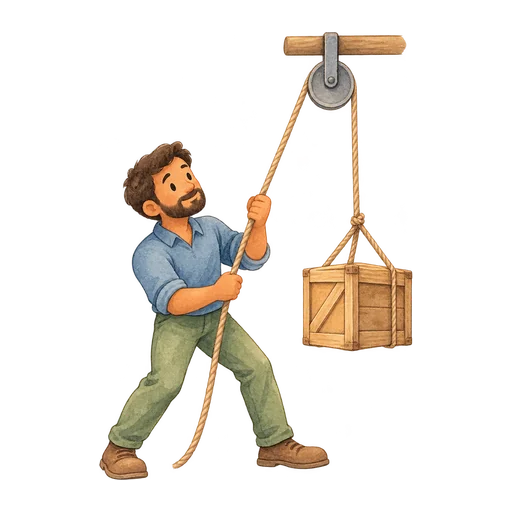
to hoist, raise
- To raise or haul up something heavy, often using ropes or pulleys, especially a flag or sail.
Em uma frase
I marinai hanno issato le vele prima che il vento calasse del tutto.
The sailors hoisted the sails before the wind died down completely.
Ogni mattina all'alba i soldati issano la bandiera nel cortile principale.
Every morning at dawn the soldiers hoist the flag in the main courtyard.
Non riuscite a issare quella cassa pesante senza l'aiuto della fune?
Can't you hoist that heavy crate without the help of the rope?
Formas da palavra (48)
| Palavra | Formas da palavra |
|---|---|
| issare | infinitive |
| isso | indicative · present · singular · 1st person |
| issi | indicative · present · singular · 2nd person |
| issa | indicative · present · singular · 3rd person |
| issiamo | indicative · present · plural · 1st person |
| issate | indicative · present · plural · 2nd person |
| issano | indicative · present · plural · 3rd person |
| issavo | indicative · imperfect · singular · 1st person |
| issavi | indicative · imperfect · singular · 2nd person |
| issava | indicative · imperfect · singular · 3rd person |
| issavamo | indicative · imperfect · plural · 1st person |
| issavate | indicative · imperfect · plural · 2nd person |
| issavano | indicative · imperfect · plural · 3rd person |
| issai | indicative · past · singular · 1st person |
| issasti | indicative · past · singular · 2nd person |
| issò | indicative · past · singular · 3rd person |
| issammo | indicative · past · plural · 1st person |
| issaste | indicative · past · plural · 2nd person |
| issarono | indicative · past · plural · 3rd person |
| isserò | indicative · future · singular · 1st person |
| isserai | indicative · future · singular · 2nd person |
| isserà | indicative · future · singular · 3rd person |
| isseremo | indicative · future · plural · 1st person |
| isserete | indicative · future · plural · 2nd person |
| isseranno | indicative · future · plural · 3rd person |
| issi | subjunctive · present · singular · 1st person |
| issi | subjunctive · present · singular · 2nd person |
| issi | subjunctive · present · singular · 3rd person |
| issiamo | subjunctive · present · plural · 1st person |
| issiate | subjunctive · present · plural · 2nd person |
| issino | subjunctive · present · plural · 3rd person |
| issassi | subjunctive · imperfect · singular · 1st person |
| issassi | subjunctive · imperfect · singular · 2nd person |
| issasse | subjunctive · imperfect · singular · 3rd person |
| issassimo | subjunctive · imperfect · plural · 1st person |
| issaste | subjunctive · imperfect · plural · 2nd person |
| issassero | subjunctive · imperfect · plural · 3rd person |
| isserei | conditional · present · singular · 1st person |
| isseresti | conditional · present · singular · 2nd person |
| isserebbe | conditional · present · singular · 3rd person |
| isseremmo | conditional · present · plural · 1st person |
| issereste | conditional · present · plural · 2nd person |
| isserebbero | conditional · present · plural · 3rd person |
| issa | imperative · singular · 2nd person |
| issiamo | imperative · plural · 1st person |
| issate | imperative · plural · 2nd person |
| issando | gerund |
| issato | past · participle |
Notas de uso
- Takes auxiliary 'avere' in compound tenses. Most frequent collocations involve 'la bandiera' or 'le vele'.