Significado · verb
to like
- to be pleasing to; to like
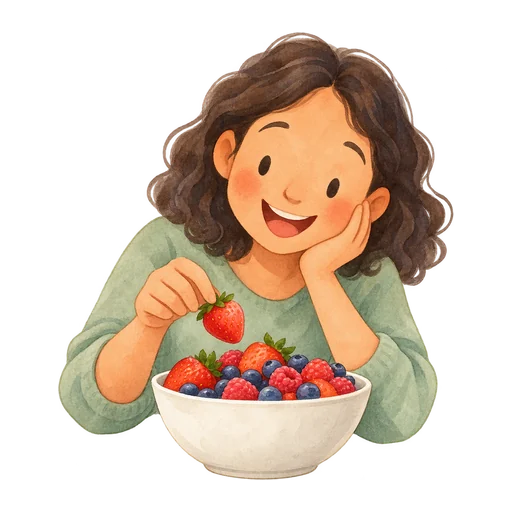
Em uma frase
Mi piace ascoltare musica la sera.
I like listening to music in the evening.
Ti è piaciuto il film di ieri?
Did you like yesterday's movie?
A Luca non piacciono i posti troppo affollati.
Luca doesn't like places that are too crowded.
Formas da palavra (48)
| Palavra | Formas da palavra |
|---|---|
| piacere | infinitive |
| piacciamo | indicative · present · plural · 1st person |
| piaccio | indicative · present · singular · 1st person |
| piacete | indicative · present · plural · 2nd person |
| piaci | indicative · present · singular · 2nd person |
| piacciono | indicative · present · plural · 3rd person |
| piace | indicative · present · singular · 3rd person |
| piacevamo | indicative · imperfect · plural · 1st person |
| piacevo | indicative · imperfect · singular · 1st person |
| piacevate | indicative · imperfect · plural · 2nd person |
| piacevi | indicative · imperfect · singular · 2nd person |
| piacevano | indicative · imperfect · plural · 3rd person |
| piaceva | indicative · imperfect · singular · 3rd person |
| piacemmo | indicative · past · plural · 1st person |
| piacqui | indicative · past · singular · 1st person |
| piaceste | indicative · past · plural · 2nd person |
| piacesti | indicative · past · singular · 2nd person |
| piacquero | indicative · past · plural · 3rd person |
| piacque | indicative · past · singular · 3rd person |
| piaceremo | indicative · future · plural · 1st person |
| piacerò | indicative · future · singular · 1st person |
| piacerete | indicative · future · plural · 2nd person |
| piacerai | indicative · future · singular · 2nd person |
| piaceranno | indicative · future · plural · 3rd person |
| piacerà | indicative · future · singular · 3rd person |
| piacciamo | subjunctive · present · plural · 1st person |
| piaccia | subjunctive · present · singular · 1st person |
| piacciate | subjunctive · present · plural · 2nd person |
| piaccia | subjunctive · present · singular · 2nd person |
| piacciano | subjunctive · present · plural · 3rd person |
| piaccia | subjunctive · present · singular · 3rd person |
| piacessimo | subjunctive · imperfect · plural · 1st person |
| piacessi | subjunctive · imperfect · singular · 1st person |
| piaceste | subjunctive · imperfect · plural · 2nd person |
| piacessi | subjunctive · imperfect · singular · 2nd person |
| piacessero | subjunctive · imperfect · plural · 3rd person |
| piacesse | subjunctive · imperfect · singular · 3rd person |
| piaceremmo | conditional · present · plural · 1st person |
| piacerei | conditional · present · singular · 1st person |
| piacereste | conditional · present · plural · 2nd person |
| piaceresti | conditional · present · singular · 2nd person |
| piacerebbero | conditional · present · plural · 3rd person |
| piacerebbe | conditional · present · singular · 3rd person |
| piacciamo | imperative · plural · 1st person |
| piacete | imperative · plural · 2nd person |
| piaci | imperative · singular · 2nd person |
| piacendo | gerund |
| piaciuto | past · participle |
Notas de uso
- Use 'piacere' for liking things/people, not 'amare' (reserved for deep love).
- Subject/object swap: 'Mi piace il libro' = 'I like the book' (lit. 'The book pleases me').
- Always use 'essere' as auxiliary, even for transitive-like meaning: 'Mi è piaciuto'.
- present: piaccio, piaci, piace, piacciamo, piacete, piacciono