Significado
to hear, feel
- to hear
- to feel
- to smell
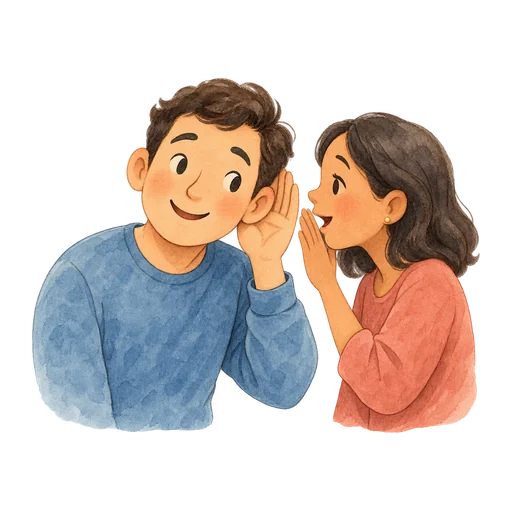
Em uma frase
Oggi mi sento molto meglio di ieri.
Today I feel much better than yesterday.
Hai sentito il telefono in cucina?
Did you hear the phone in the kitchen?
Non sento l'odore del caffè stamattina.
I can't smell the coffee this morning.
Formas da palavra (48)
| Palavra | Formas da palavra |
|---|---|
| sentire | infinitive |
| sentiamo | indicative · present · plural · 1st person |
| sento | indicative · present · singular · 1st person |
| sentite | indicative · present · plural · 2nd person |
| senti | indicative · present · singular · 2nd person |
| sentono | indicative · present · plural · 3rd person |
| sente | indicative · present · singular · 3rd person |
| sentivamo | indicative · imperfect · plural · 1st person |
| sentivo | indicative · imperfect · singular · 1st person |
| sentivate | indicative · imperfect · plural · 2nd person |
| sentivi | indicative · imperfect · singular · 2nd person |
| sentivano | indicative · imperfect · plural · 3rd person |
| sentiva | indicative · imperfect · singular · 3rd person |
| sentimmo | indicative · past · plural · 1st person |
| sentii | indicative · past · singular · 1st person |
| sentiste | indicative · past · plural · 2nd person |
| sentisti | indicative · past · singular · 2nd person |
| sentirono | indicative · past · plural · 3rd person |
| sentì | indicative · past · singular · 3rd person |
| sentiremo | indicative · future · plural · 1st person |
| sentirò | indicative · future · singular · 1st person |
| sentirete | indicative · future · plural · 2nd person |
| sentirai | indicative · future · singular · 2nd person |
| sentiranno | indicative · future · plural · 3rd person |
| sentirà | indicative · future · singular · 3rd person |
| sentiamo | subjunctive · present · plural · 1st person |
| senta | subjunctive · present · singular · 1st person |
| sentiate | subjunctive · present · plural · 2nd person |
| senta | subjunctive · present · singular · 2nd person |
| sentano | subjunctive · present · plural · 3rd person |
| senta | subjunctive · present · singular · 3rd person |
| sentissimo | subjunctive · imperfect · plural · 1st person |
| sentissi | subjunctive · imperfect · singular · 1st person |
| sentiste | subjunctive · imperfect · plural · 2nd person |
| sentissi | subjunctive · imperfect · singular · 2nd person |
| sentissero | subjunctive · imperfect · plural · 3rd person |
| sentisse | subjunctive · imperfect · singular · 3rd person |
| sentiremmo | conditional · present · plural · 1st person |
| sentirei | conditional · present · singular · 1st person |
| sentireste | conditional · present · plural · 2nd person |
| sentiresti | conditional · present · singular · 2nd person |
| sentirebbero | conditional · present · plural · 3rd person |
| sentirebbe | conditional · present · singular · 3rd person |
| sentiamo | imperative · plural · 1st person |
| sentite | imperative · plural · 2nd person |
| senti | imperative · singular · 2nd person |
| sentendo | gerund |
| sentito | past · participle |
Notas de uso
- Use 'sentire' for physical sensations (e.g., cold, pain) or emotions. For opinions, use 'pensare' or 'credere'.
- In Southern Italy, 'sentire' often replaces 'ascoltare' (to listen), but standard Italian prefers 'ascoltare' for intentional hearing.
- Auxiliary is 'avere' (ho sentito), but reflexive 'sentirsi' uses 'essere' (mi sono sentito/a).