Significado
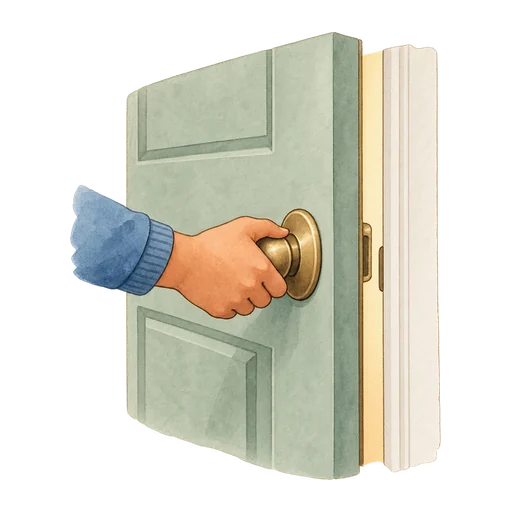
to close, to shut
Em uma frase
Puoi chiudere la finestra, per favore?
Can you close the window, please?
Ho chiuso il negozio alle otto.
I closed the shop at eight.
Chiudo la porta prima di uscire.
I close the door before going out.
Formas da palavra (48)
| Palavra | Formas da palavra |
|---|---|
| chiudere | infinitive |
| chiudiamo | indicative · present · plural · 1st person |
| chiudo | indicative · present · singular · 1st person |
| chiudete | indicative · present · plural · 2nd person |
| chiudi | indicative · present · singular · 2nd person |
| chiudono | indicative · present · plural · 3rd person |
| chiude | indicative · present · singular · 3rd person |
| chiudevamo | indicative · imperfect · plural · 1st person |
| chiudevo | indicative · imperfect · singular · 1st person |
| chiudevate | indicative · imperfect · plural · 2nd person |
| chiudevi | indicative · imperfect · singular · 2nd person |
| chiudevano | indicative · imperfect · plural · 3rd person |
| chiudeva | indicative · imperfect · singular · 3rd person |
| chiudemmo | indicative · past · plural · 1st person |
| chiusi | indicative · past · singular · 1st person |
| chiudeste | indicative · past · plural · 2nd person |
| chiudesti | indicative · past · singular · 2nd person |
| chiusero | indicative · past · plural · 3rd person |
| chiuse | indicative · past · singular · 3rd person |
| chiuderemo | indicative · future · plural · 1st person |
| chiuderò | indicative · future · singular · 1st person |
| chiuderete | indicative · future · plural · 2nd person |
| chiuderai | indicative · future · singular · 2nd person |
| chiuderanno | indicative · future · plural · 3rd person |
| chiuderà | indicative · future · singular · 3rd person |
| chiudiamo | subjunctive · present · plural · 1st person |
| chiuda | subjunctive · present · singular · 1st person |
| chiudiate | subjunctive · present · plural · 2nd person |
| chiuda | subjunctive · present · singular · 2nd person |
| chiudano | subjunctive · present · plural · 3rd person |
| chiuda | subjunctive · present · singular · 3rd person |
| chiudessimo | subjunctive · imperfect · plural · 1st person |
| chiudessi | subjunctive · imperfect · singular · 1st person |
| chiudeste | subjunctive · imperfect · plural · 2nd person |
| chiudessi | subjunctive · imperfect · singular · 2nd person |
| chiudessero | subjunctive · imperfect · plural · 3rd person |
| chiudesse | subjunctive · imperfect · singular · 3rd person |
| chiuderemmo | conditional · present · plural · 1st person |
| chiuderei | conditional · present · singular · 1st person |
| chiudereste | conditional · present · plural · 2nd person |
| chiuderesti | conditional · present · singular · 2nd person |
| chiuderebbero | conditional · present · plural · 3rd person |
| chiuderebbe | conditional · present · singular · 3rd person |
| chiudiamo | imperative · plural · 1st person |
| chiudete | imperative · plural · 2nd person |
| chiudi | imperative · singular · 2nd person |
| chiudendo | gerund |
| chiuso | past · participle |
Notas de uso
- Use 'chiudere' for physical actions (doors, windows). For abstract things (conversations, meetings), 'concludere' or 'terminare' often sound more natural.
- Avoid 'chiudere' for shops closing at night; use 'chiudere' only if permanent. For daily closing, say 'il negozio chiude alle 19'.
- Past participle is 'chiuso'. With 'avere' for transitive uses (ho chiuso la porta), with 'essere' for intransitive (la porta è chiusa).
- past participle chiuso